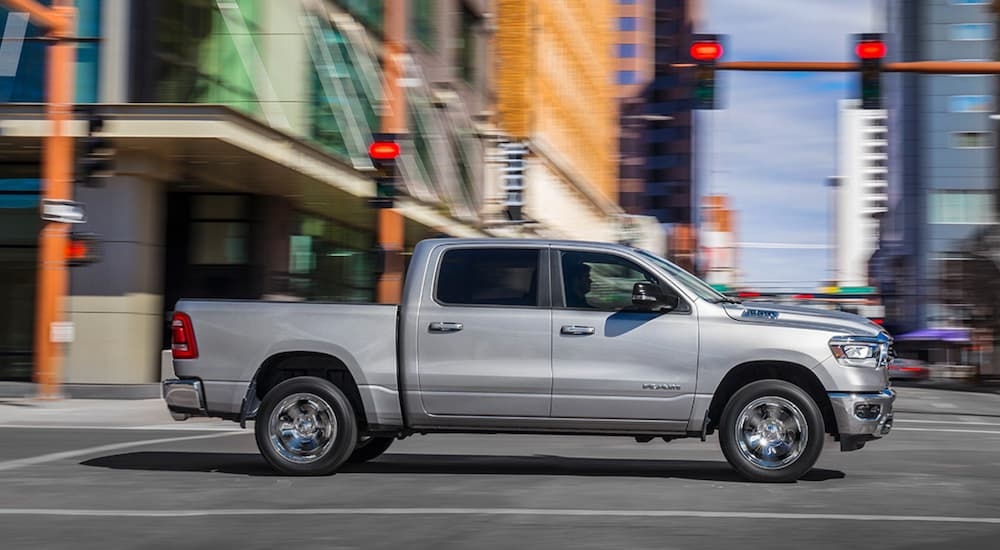
Finding the right vehicle is a significant milestone, and the process begins by selecting a trustworthy used car dealership that prioritizes your needs. At Ruge's Chrysler Dodge Jeep Ram, we understand that your first purchase sets the tone for your entire driving journey.
Preparation is the secret ingredient to any successful car-buying story, especially when you are a first-time shopper. Taking the time to research the inventory and the dealer's reputation ensures you won't be caught off guard. Let's dive into the most important steps for finding a high-quality used vehicle that fits your lifestyle.
Establishing a Realistic Budget
Before you fall in love with a specific make or model, it is vital to sit down and determine exactly what you can afford. Your budget should account for more than just the monthly loan payment. Consider the impact of insurance premiums, routine maintenance, and fuel prices on your monthly finances.
Financing is another critical piece of the puzzle that first-time buyers often find intimidating. It is usually a great idea to seek pre-approval for a loan before you even set foot on a dealership lot.
This gives you a clear understanding of your interest rate and total buying power, making negotiations much smoother. Many dealerships offer in-house financing teams that can work with a range of credit backgrounds to find a plan that works.
Researching the Reputation of the Dealer
The quality of your experience often depends more on the dealership than the specific car you choose. A reputable dealer will have a track record of transparency with their customers. Look for businesses that have been established for many years, as longevity often points to a commitment to customer satisfaction. Online reviews on platforms like Google or Yelp can provide valuable insights into how the dealer handles issues after the sale.
In addition to online reviews, consider the level of support the dealership offers after you drive off the lot. A full-service dealership that includes a dedicated service center and parts department is a major advantage for a first-time buyer. A dealer that invests in a long-term relationship is always a safer bet than one focused only on a quick sale.
Ask the sales team about any unique programs or protection plans they offer to used car customers. Some dealerships offer limited warranties or return policies that can provide significant peace of mind to individuals buying their first used vehicle. Programs like the Ruge's Advantage can provide additional coverage that isn't always available at smaller, independent lots.
Decoding the Vehicle History Report
One of the most powerful tools in a used-car buyer's arsenal is the vehicle history report, such as those from CARFAX or AutoCheck. This document offers a comprehensive overview of the car's history, including previous owners, service records, and accident details. You should never purchase a used vehicle without reviewing this report to identify any potential red flags. Most reputable dealerships will provide this report free of charge upon request. If a seller is hesitant to show you the history, it is usually best to walk away.
When reading the report, pay close attention to the vehicle's title status. You are looking for a clean title, which means the car has never been declared a total loss by an insurance company. Avoid vehicles with salvage, rebuilt, or flood titles, as these can be difficult to insure and may have hidden structural damage. The report will also show whether the odometer readings have been consistent over the years, which helps prevent odometer fraud. Consistent service records are a great sign that the previous owner took proper care of the vehicle.
Performing a Thorough Exterior Inspection
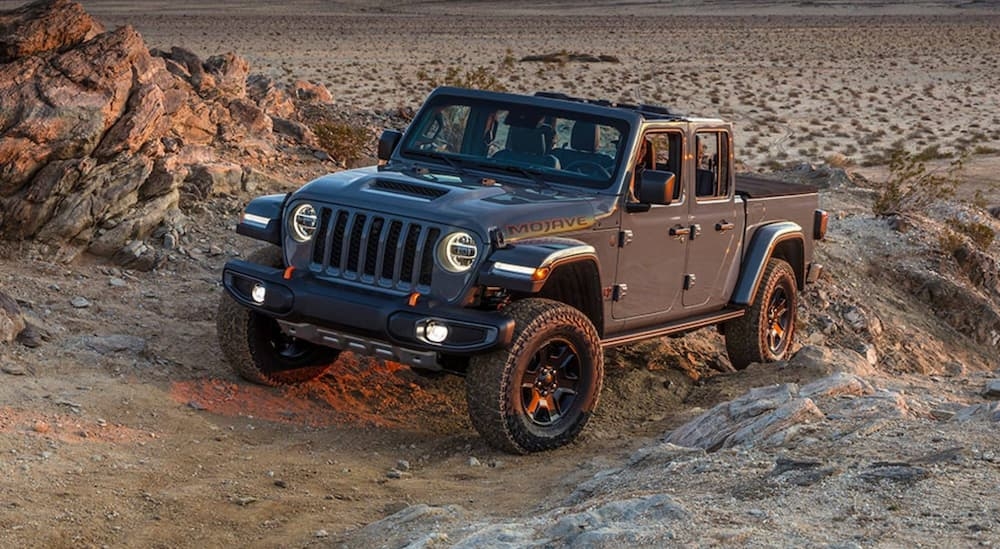
Once you have found a car that appears promising, it is time to conduct a thorough physical inspection. Start by walking around the exterior in broad daylight to check for any inconsistencies in the paint or body panels. Check the gaps between the doors, fenders, and hood to make sure they are even and symmetrical.
The condition of the tires can tell you a lot about how the car was maintained and how it currently handles. Check the tread depth using the penny test or a dedicated tread gauge to determine if they have sufficient tread life remaining. Look for uneven wear patterns, such as more wear on the inside or outside of the tire, which could signal an alignment issue.
Finally, take a moment to inspect all the exterior lights. Check the glass for any chips or cracks, particularly in the windshield, as these can spread quickly with temperature changes. Ensure the wipers are in good condition and that the fluid sprayers are functioning properly. These small details may seem minor, but they contribute to your overall safety.
Evaluating the Interior and Technology
The interior is where you will spend all your time, so it needs to be both comfortable and functional. Start by sitting in every seat to check for rips, stains, or unusual odors that might be difficult to remove. Test the adjustments on the driver's seat to find a comfortable, safe driving position.
In modern vehicles, the technology and infotainment systems are just as important as the mechanical components. Turn on the car and test the touchscreen, Bluetooth connectivity, and any navigation features to ensure they function smoothly. Check the climate control system by running the air conditioning and the heater at full blast. It should be able to switch between temperatures and vent settings without making any strange noises.
Safety features should be a top priority for any first-time buyer. If the car is equipped with a backup camera, blind-spot monitoring, or lane-departure warnings, make sure these sensors are active and clear of debris. Test the power windows, door locks, and side mirrors to verify that every switch is responsive. Knowing that all your interior amenities are in working order will prevent frustrations later on.
Looking Under the Hood
Even if you aren't a mechanical expert, a quick look under the hood can reveal a lot about a car's health. Start by looking for any signs of fluid leaks, such as oil, coolant, or brake fluid around the engine block. Battery terminals should be clean and free of the white, crusty corrosion that can prevent a car from starting. Listen to the engine while it idles to check for any unusual sounds.
If you feel uncomfortable performing these inspections yourself, many dealerships welcome a third-party mechanic to inspect them. Having a professional eye on the engine can provide an extra layer of security before you sign any contracts.

Mastering the Test Drive
The test drive is perhaps the most important part of the entire buying experience at a used car dealership. You should drive the vehicle on a variety of roads and speeds. Pay close attention to how the car accelerates and shifts through the gears, and note any hesitation or jarring movements.
Testing the brakes is a must. They should bring the car to a smooth and quiet stop. Turn off the radio during the first part of the drive so you can hear every sound the car makes. This will help you identify any wind noise or road hum that might become annoying on long trips.
Take the time to park the car to get a feel for its dimensions and the visibility from the driver's seat. Test the cruise control on the highway to ensure it maintains speed and cancels correctly when the brake is applied. If something feels off or uncomfortable during the drive, do not ignore that intuition. There are plenty of used cars on the market, and you should never settle for one that doesn't feel right.
Navigating the Final Paperwork
Once you have negotiated a price and are ready to finalize the deal, the paperwork phase begins. Ensure that all verbal promises made by the sales team are included in the written contract. If a warranty or a specific repair was promised, it must be documented to be legally binding.
The title transfer is a critical step that puts the legal ownership of the vehicle under your name. If you are financing, the lender will typically hold the title until the loan is paid in full, but the registration will be in your name. You will also need to provide proof of insurance before you can legally drive the car off the lot. Many dealerships can help you coordinate with your insurance agent to get this updated quickly.
Finally, double-check the odometer disclosure statement to make sure it matches the current reading on the car's dashboard. This protects you from any potential legal issues regarding the vehicle's recorded mileage. Ask for the owner's manual and any spare keys or key fobs that come with the car, since these can be expensive to replace later. Once the keys are in your hand, you can officially celebrate your first successful car purchase.
Protecting Your New Investment
Owning a car comes with the responsibility of regular maintenance to protect your investment for years to come. Buying from a full-service dealership with a dedicated service center and parts department will save you time when you need service. Keep a log of your oil changes, tire rotations, and any repairs to maintain a high resale value for the future. Staying proactive about your vehicle's health will keep it a reliable partner for all your upcoming travels.
Our team has been serving the Hudson Valley for over 85 years, and every vehicle in our inventory undergoes a rigorous inspection to ensure it meets our high standards for safety and performance. We want your first car-buying experience to be the start of a lifelong partnership with us. See why so many first-time buyers trust us for their automotive needs and drive home with total peace of mind.